As the city speeds up, staying becomes a daily act of courage..
At the Santuário dos Pajés in Brasília, Márcia and Santixie Guajajara rebuild the herbarium and plant nurseries after arson attacks and invasions, while bureaucracy, developers, and urban projects dispute a territory that is a living school of healing and ancestry.
Permeado entre indígenas e afrodescendentes, o conhecimento é oral, passado do curandeiro para aprendiz, de geração em geração, com poucos registros escritos produzidos pela própria comunidade.
Muitas das receitas para remédios naturais só são conhecidas por quem é iniciado em práticas de cura e em seus significados sagrados, num contato íntimo com o meio ambiente.
A preservação dos rituais da comunidade é essencial para manter a identidade e garantir a manutenção e preservação das tradições culturais brasileiras
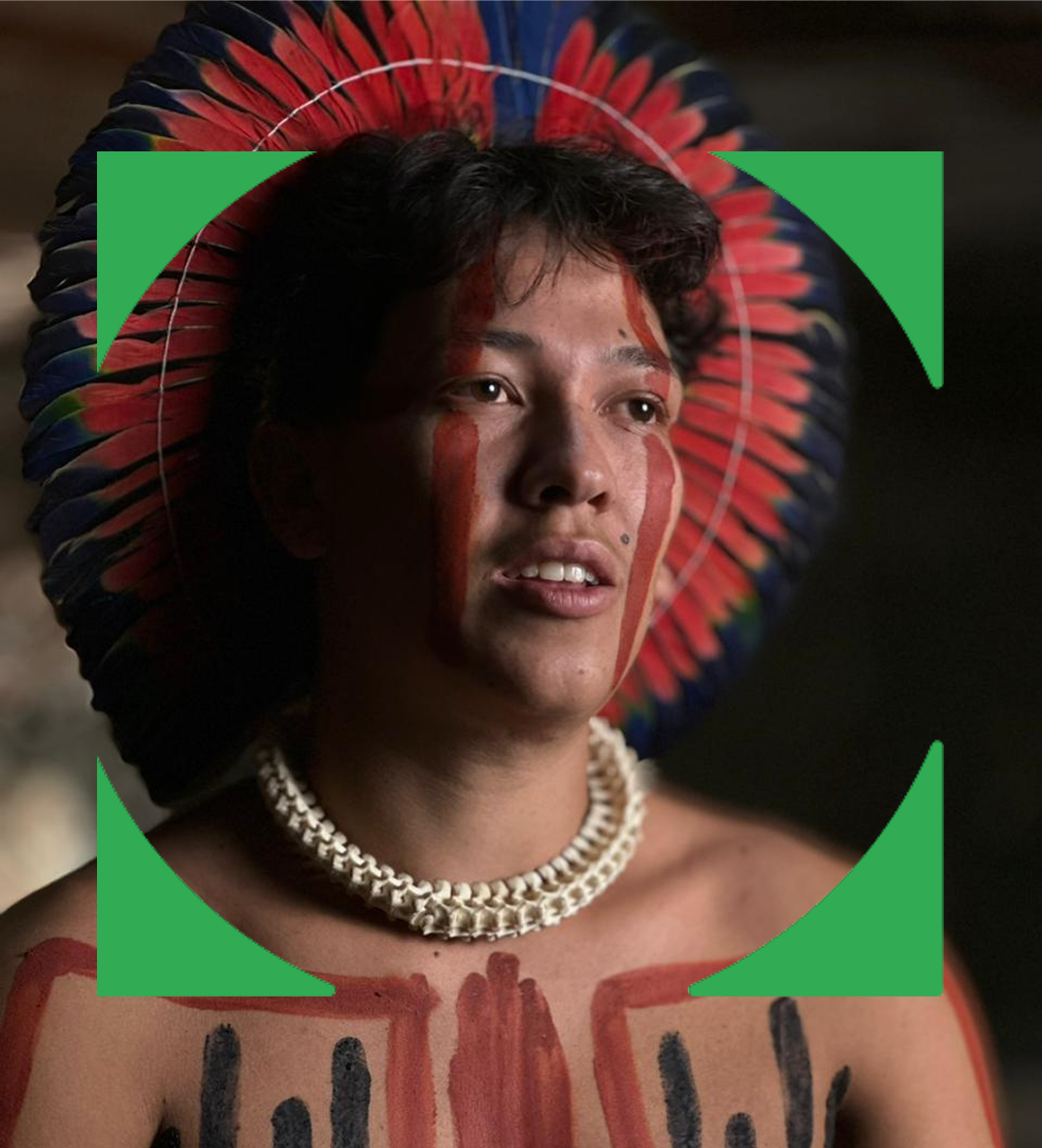
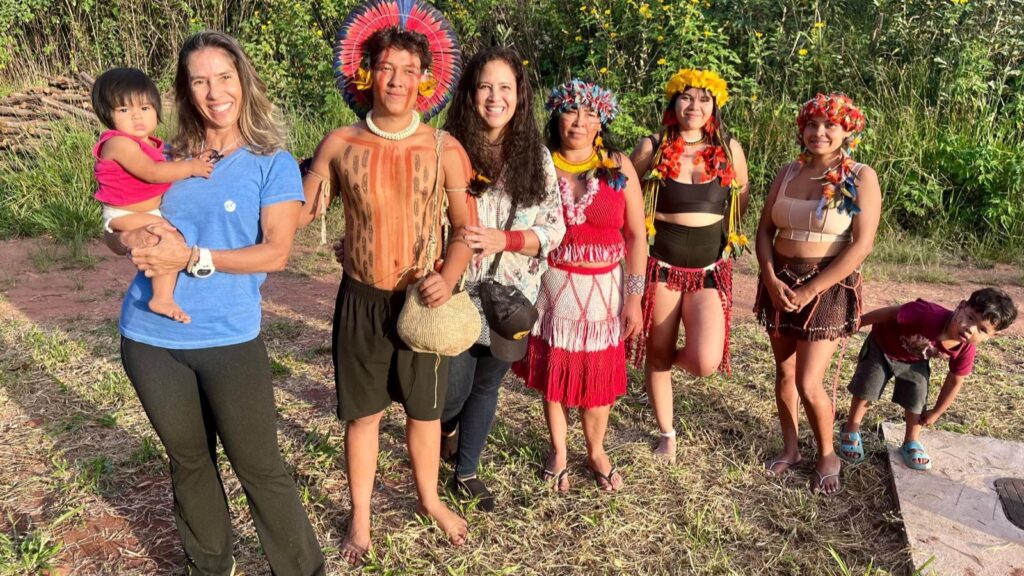
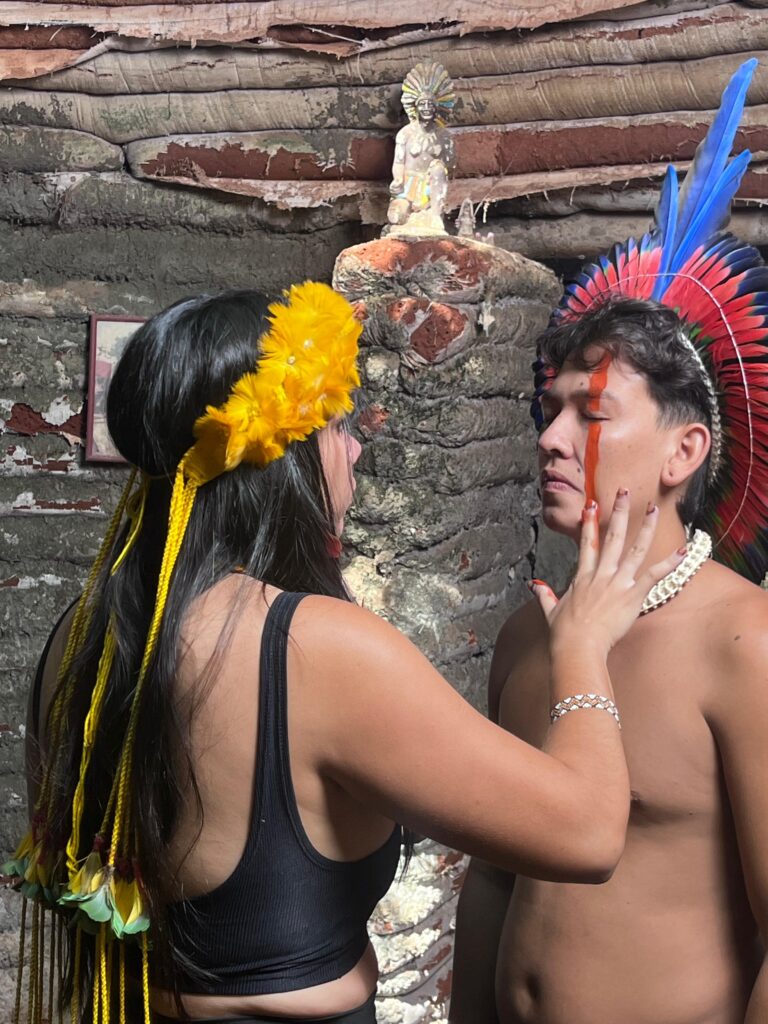
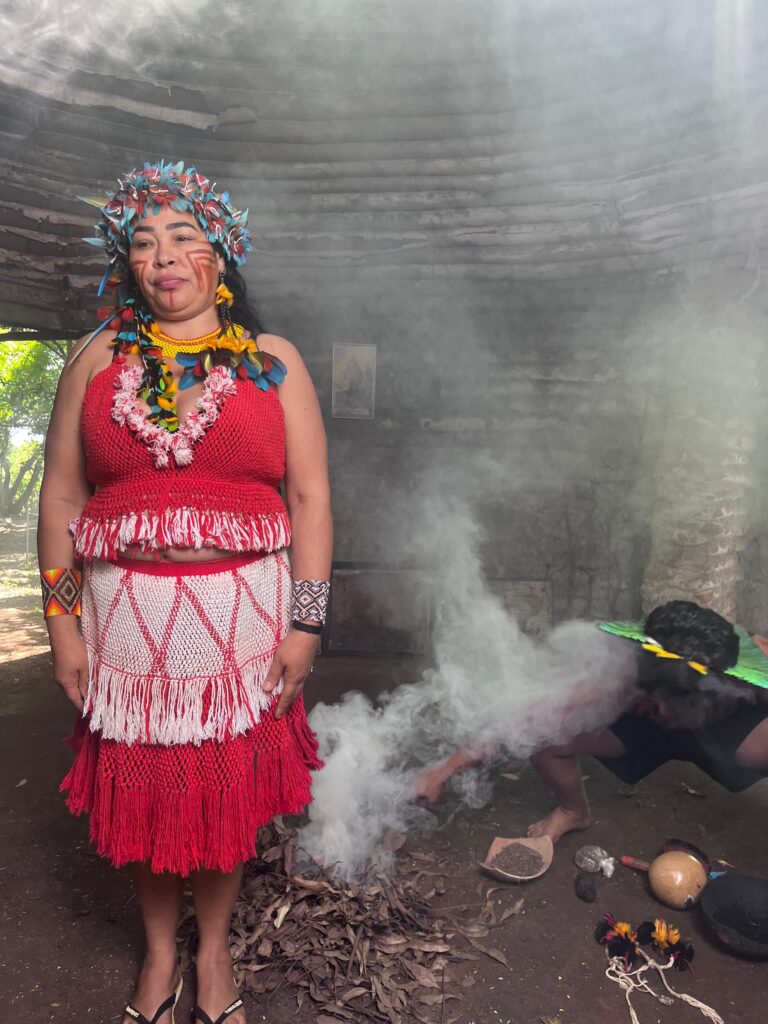
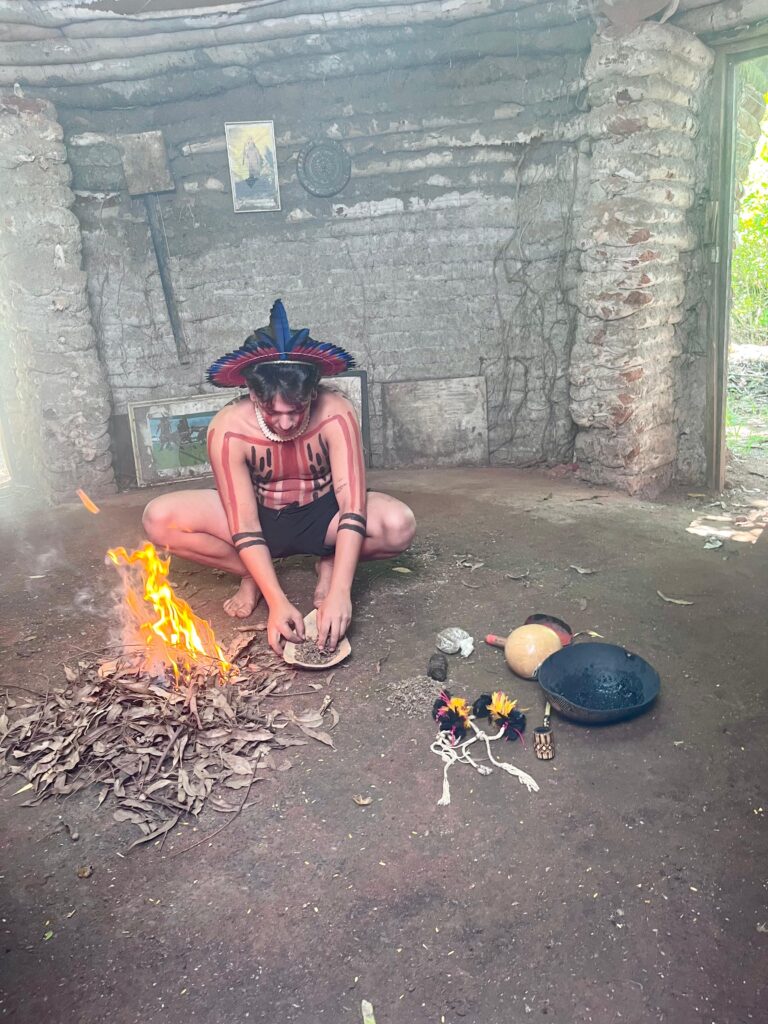
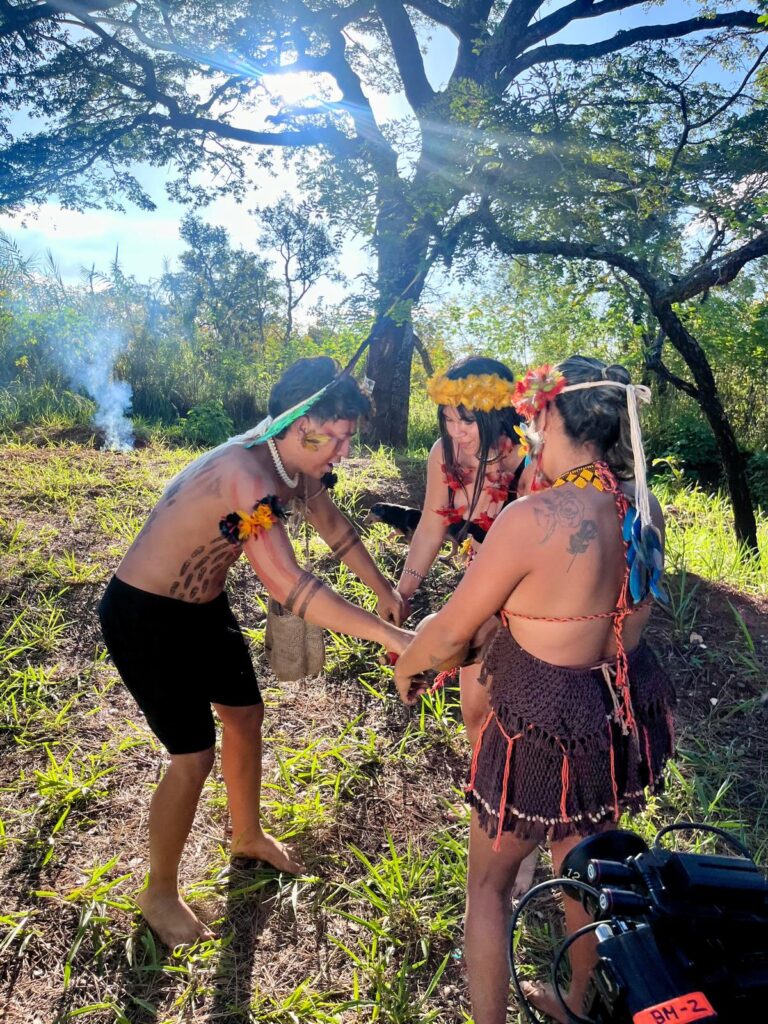
At the Santuário dos Pajés in Brasília, shaman Márcia Guajajara presents herself as leader of the Land. The area has been demarcated, but the land title never arrives, and the territory remains disputed through maps, fences, and broken promises. Under pressure from developers and urban projects, the threat renews itself in invasions and intimidation. When arson attacks hit the territory and destroy the herbarium and nurseries, the aggression does not burn plants alone; it attempts to erase a living school, an archive of healing, and a possible future. Márcia starts again, makes new seedlings, rebuilds the herbarium, and insists in her daily life that preservation is not a slogan, it is routine. The episode also follows Santixie Tapuia Guajajara, who speaks about growing up in the Santuário and facing bureaucracy just to exist with an Indigenous name. He recalls his father, the struggle for territorial rights, and his father’s death in the midst of that battle, linking this history to the continuity that is reborn with the reconstruction of the herbarium. In the legal field, Edelamare Barbosa Melo, Deputy Prosecutor General of Labor at the Federal Labor Prosecution Office and an Indigenous woman, translates what is essential: territory is life, and it is not negotiable. In parallel, in Bahia, Renata Tupinambá and Majé Rívia Tupinambá describe another siege, now on the coast and coastal scrublands. Roads, tractors, condominiums, and hotels advance over areas where herbs and seeds were once gathered. What disappears from the ground disappears from the body, and the choice between staying at risk or retreating for safety appears in all its harshness. In the end, the episode holds on to a simple and unsettling idea: land is indeed to be preserved, but also to be worshipped.
At the Santuário dos Pajés in Brasília, shaman Márcia Guajajara presents herself as leader of the Land. The area has been demarcated, but the land title never arrives, and the territory remains disputed through maps, fences, and broken promises. Under pressure from developers and urban projects, the threat renews itself in invasions and intimidation. When arson attacks hit the territory and destroy the herbarium and nurseries, the aggression does not burn plants alone; it attempts to erase a living school, an archive of healing, and a possible future. Márcia starts again, makes new seedlings, rebuilds the herbarium, and insists in her daily life that preservation is not a slogan, it is routine. The episode also follows Santixie Tapuia Guajajara, who speaks about growing up in the Santuário and facing bureaucracy just to exist with an Indigenous name. He recalls his father, the struggle for territorial rights, and his father’s death in the midst of that battle, linking this history to the continuity that is reborn with the reconstruction of the herbarium. In the legal field, Edelamare Barbosa Melo, Deputy Prosecutor General of Labor at the Federal Labor Prosecution Office and an Indigenous woman, translates what is essential: territory is life, and it is not negotiable. In parallel, in Bahia, Renata Tupinambá and Majé Rívia Tupinambá describe another siege, now on the coast and coastal scrublands. Roads, tractors, condominiums, and hotels advance over areas where herbs and seeds were once gathered. What disappears from the ground disappears from the body, and the choice between staying at risk or retreating for safety appears in all its harshness. In the end, the episode holds on to a simple and unsettling idea: land is indeed to be preserved, but also to be worshipped.
Created and Written by: Carolina Moraes-Liu
Directed by: Carolina Moraes-Liu
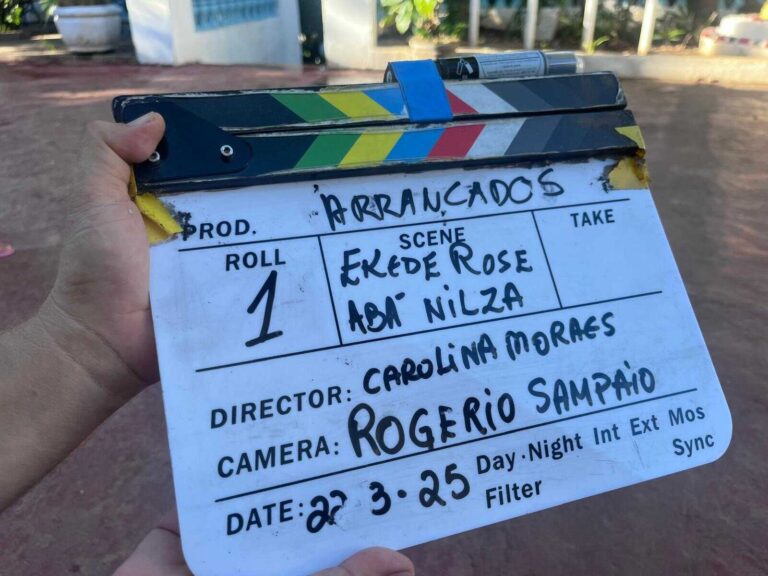
Director of Photography: Rogério Sampaio
Art Director: Yata Andersen
Executive Producer: Candida Luz Liberato
Production Coordinator: Carla Copello
Controller: Renato ScopVam
Created and Written by: Carolina Moraes-Liu
Directed by: Carolina Moraes-Liu
Director of Photography: Rogério Sampaio
Art Director: Yata Andersen
Executive Producer: Candida Luz Liberato
Production Coordinator: Carla Copello
Controller: Renato ScopVam
More About the Miniseries “Uprooted: Roots of Salvador”
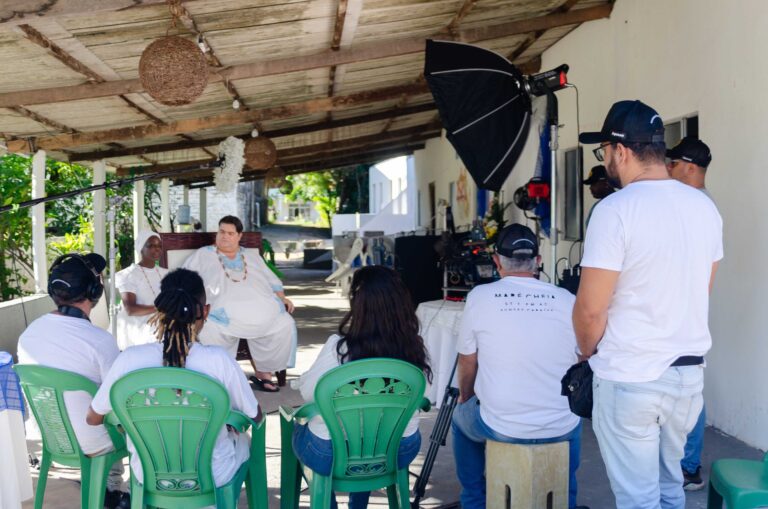
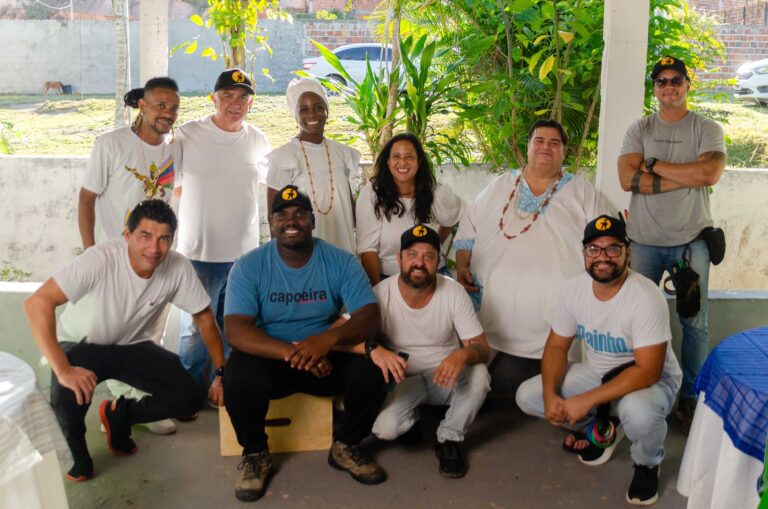
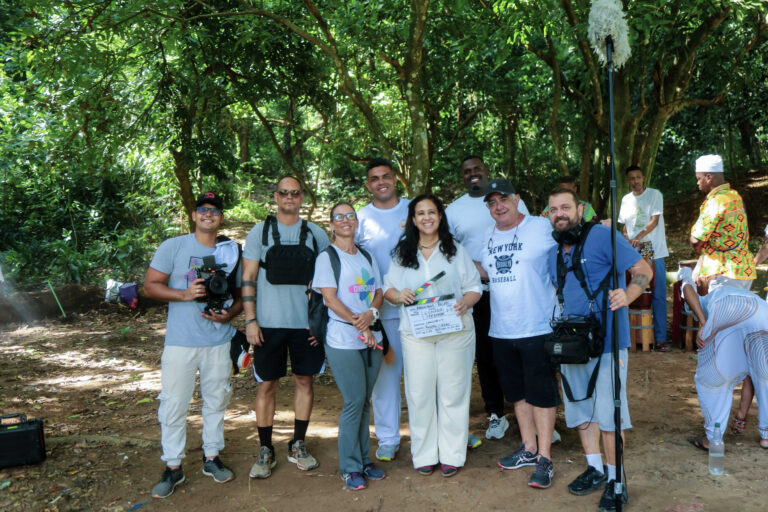
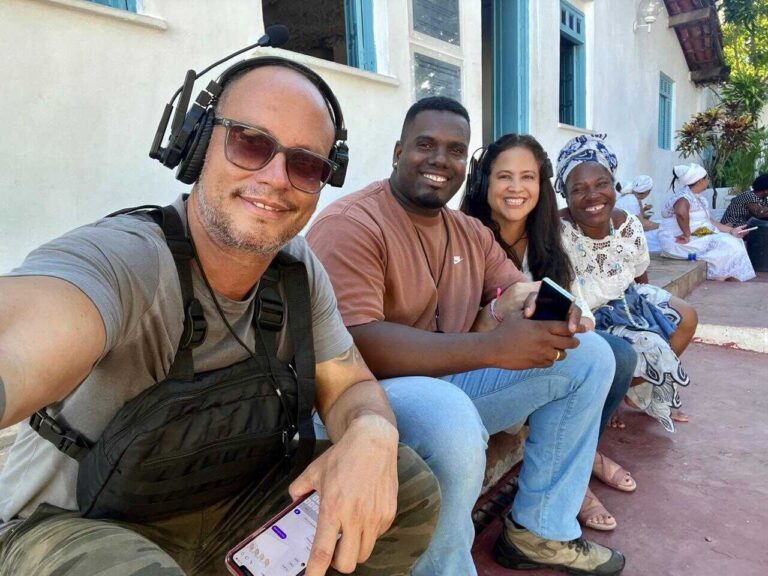
Uprooted travels through communities in Salvador, Abrantes, and Camaçari to show the struggle for land and land rights as a fight for life, memory, and continuity. Across terreiros, quilombos, and Indigenous territories, the botanical knowledge of traditional communities emerges as a foundation of healing, protection, and identity, passed on through the body, ritual, and everyday practice. Women in leadership positions ialorixás, chiefs, majés, and ekedes sustain networks of care and resistance while facing invasions, environmental racism, enclosures, and violence that tries to push the sacred away from its own ground. From Parque São Bartolomeu, a sacred territory for traditional communities, to Feira de São Joaquim, where knowledge circulates hand to hand among stalls and roots, the series weaves together spirituality, botanical knowledge, and justice to assert a simple truth: territory is not a resource, it is belonging. In one of the episodes, the journey also crosses Brasília, following an Indigenous community fighting for its territory and listening to representatives of official institutions, to show how this dispute is decided both on the ground and on paper.
Uprooted travels through communities in Salvador, Abrantes, and Camaçari to show the struggle for land and land rights as a fight for life, memory, and continuity. Across terreiros, quilombos, and Indigenous territories, the botanical knowledge of traditional communities emerges as a foundation of healing, protection, and identity, passed on through the body, ritual, and everyday practice. Women in leadership positions ialorixás, chiefs, majés, and ekedes sustain networks of care and resistance while facing invasions, environmental racism, enclosures, and violence that tries to push the sacred away from its own ground. From Parque São Bartolomeu, a sacred territory for traditional communities, to Feira de São Joaquim, where knowledge circulates hand to hand among stalls and roots, the series weaves together spirituality, botanical knowledge, and justice to assert a simple truth: territory is not a resource, it is belonging. In one of the episodes, the journey also crosses Brasília, following an Indigenous community fighting for its territory and listening to representatives of official institutions, to show how this dispute is decided both on the ground and on paper.