Herbs open a reunion and seal an alliance for territory.
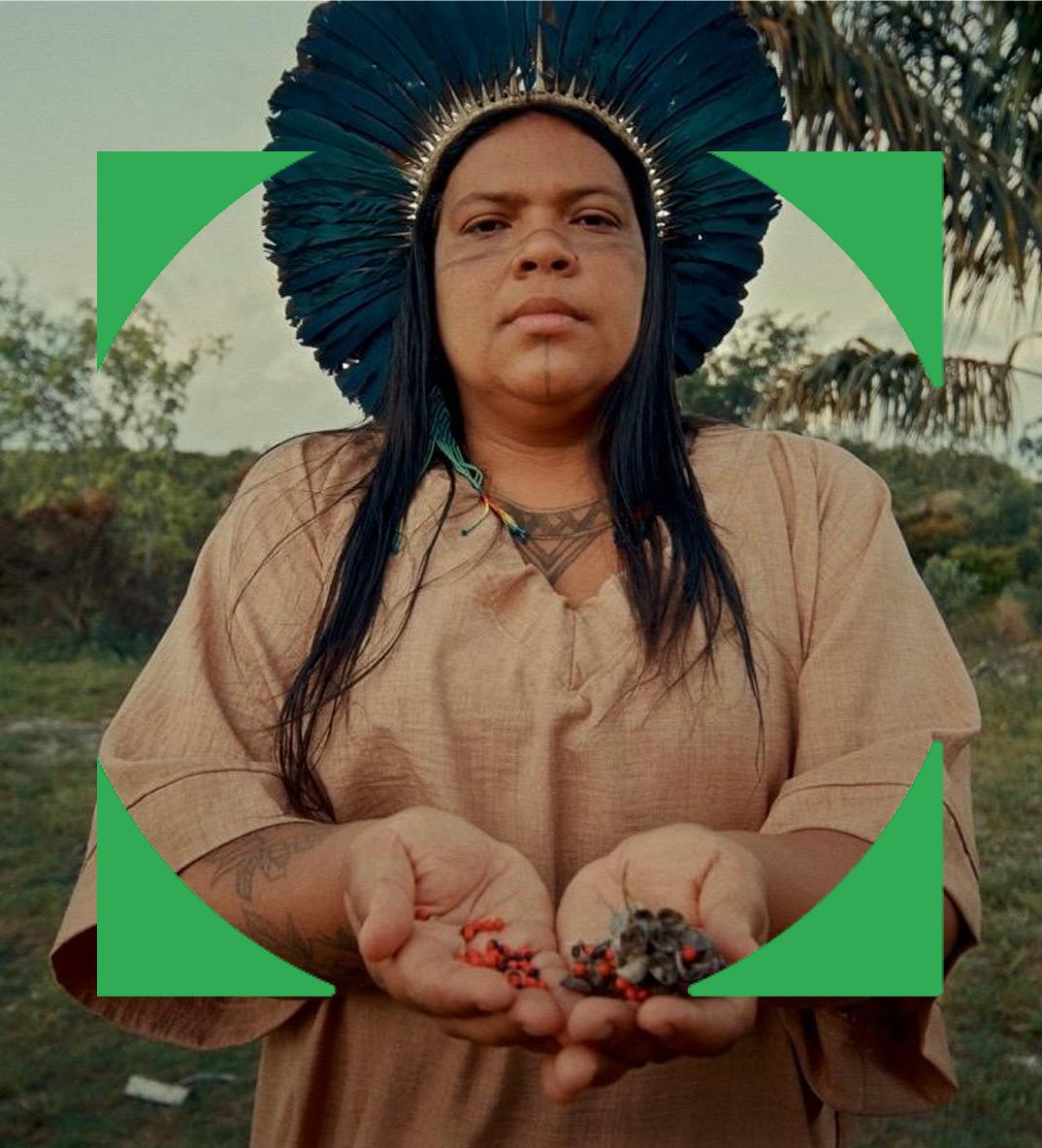
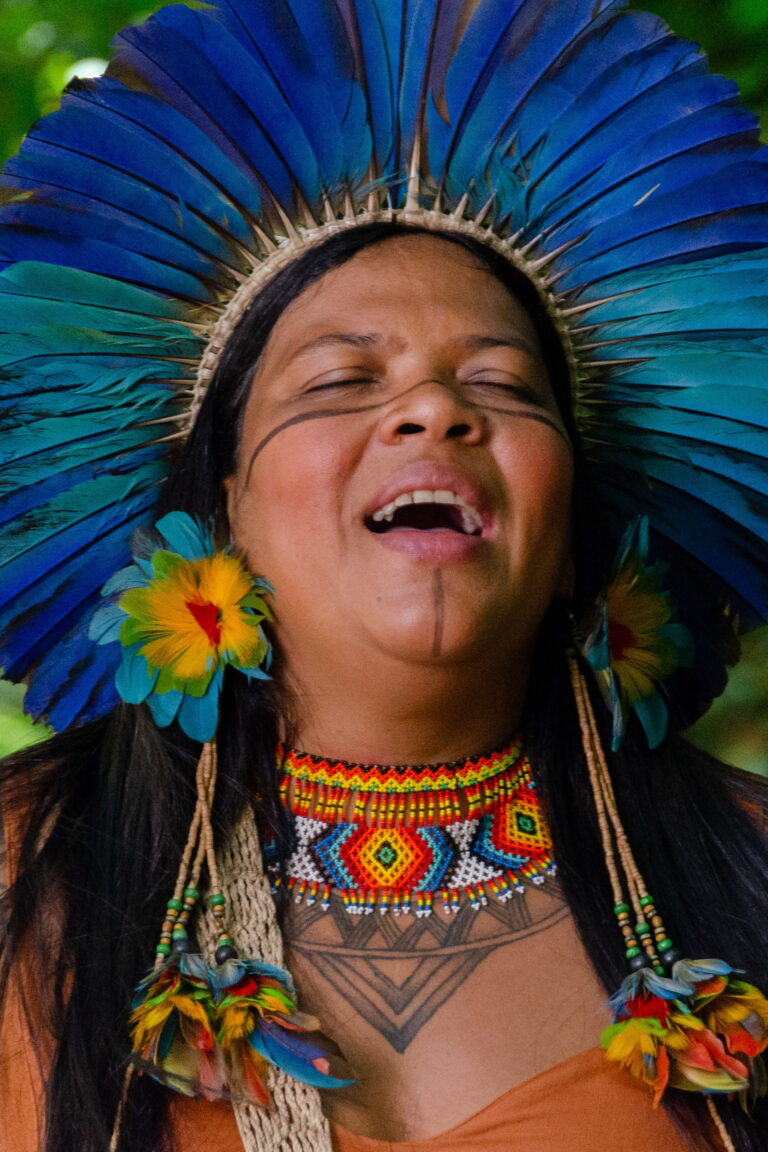
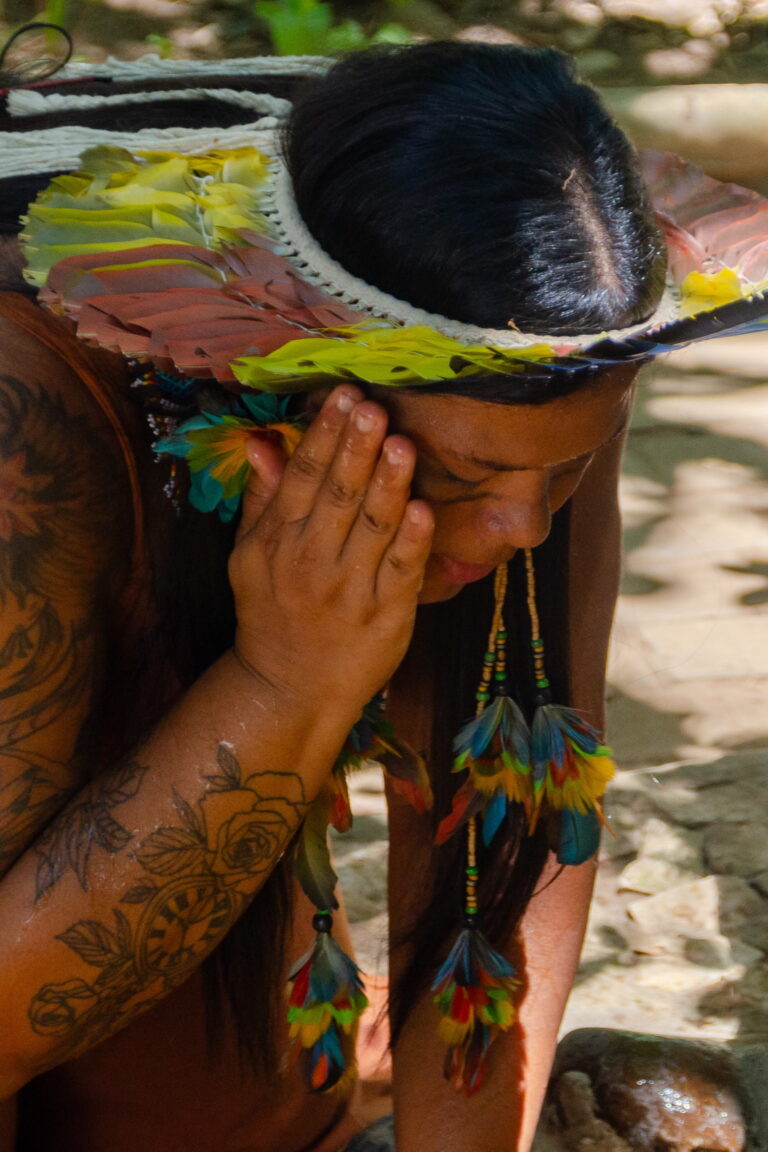
In the Tupinambá Village of Abrantes, Renata and Rívia protect the herbs as shield and memory, while deforestation, attacks, and the struggle for access to leaves demand alliances and resistance.
Permeado entre indígenas e afrodescendentes, o conhecimento é oral, passado do curandeiro para aprendiz, de geração em geração, com poucos registros escritos produzidos pela própria comunidade.
Muitas das receitas para remédios naturais só são conhecidas por quem é iniciado em práticas de cura e em seus significados sagrados, num contato íntimo com o meio ambiente.
A preservação dos rituais da comunidade é essencial para manter a identidade e garantir a manutenção e preservação das tradições culturais brasileiras
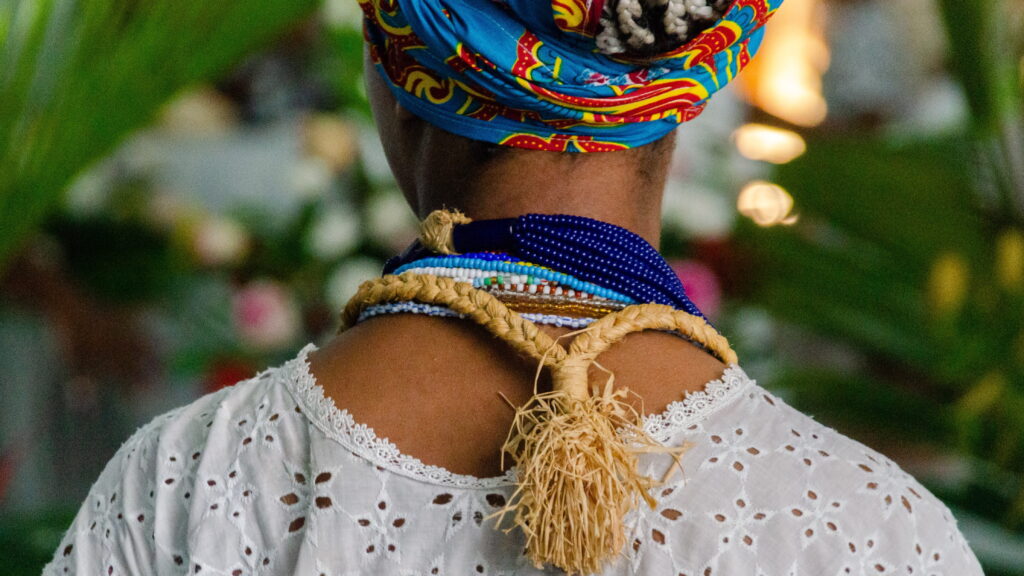
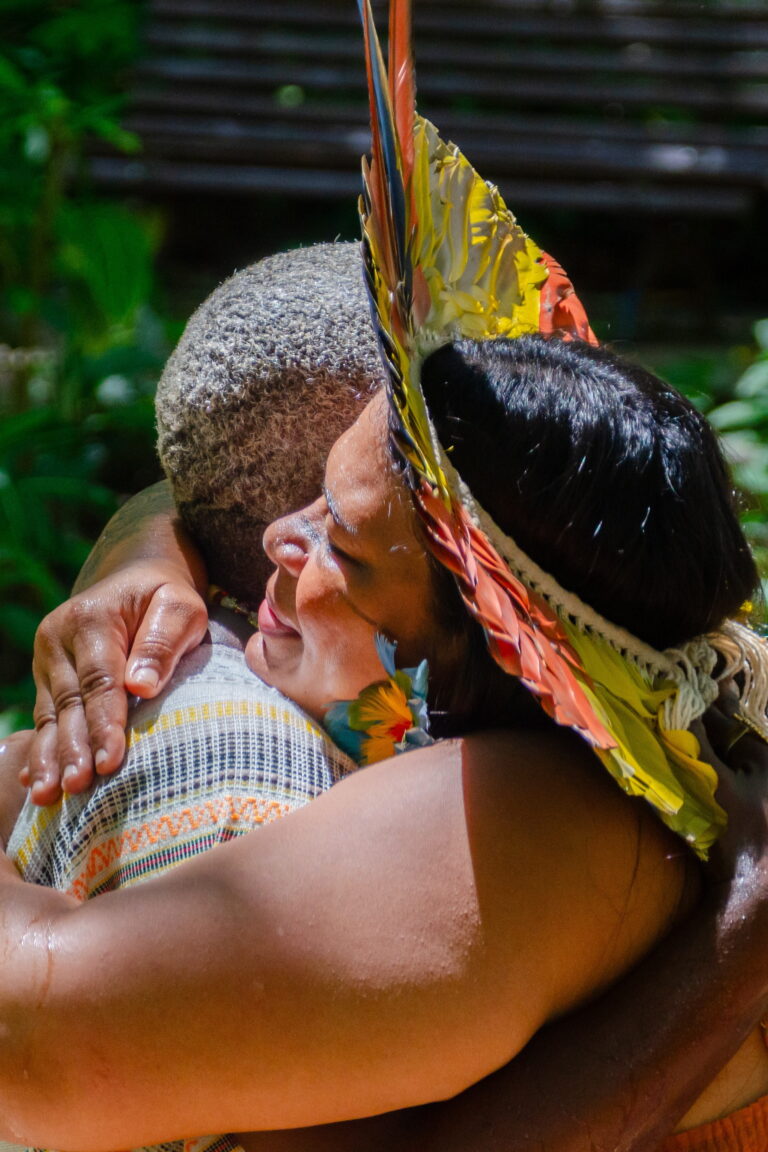
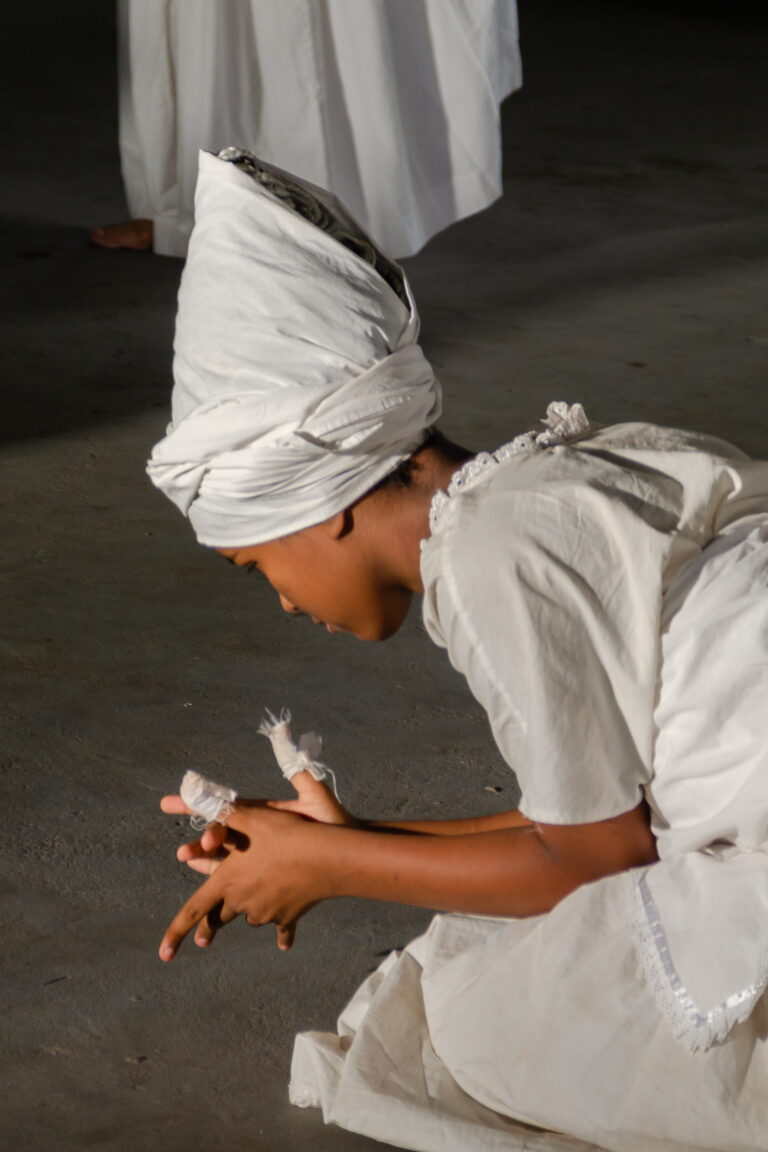
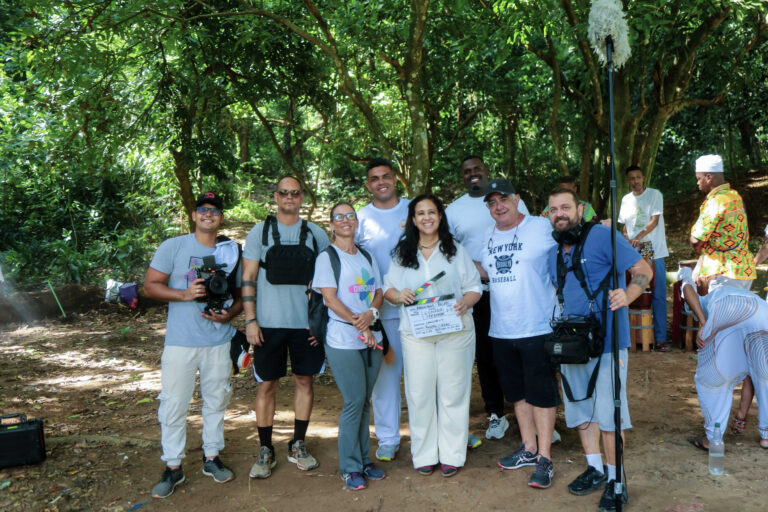
In the Tupinambá Village of Abrantes, Chief Renata Tupinambá and Majé Rívia Tupinambá strive to keep standing what deforestation and land speculation insist on tearing down. After attacks and fires that disrupt community life, they reorganize the cultivation and protection of the herbs, because there the plants are also a shield. At the heart of the episode is the encounter between Chief Renata and ialorixá Sueli Conceição in the Atlantic Forest, on a walk where listening to the ground is as important as speaking. Diasporic plants meet their counterparts presented by Indigenous peoples, and this exchange becomes method, affection, and a strategy of resistance. The journey then passes through Ilê Alaketu Axé Oju Omi, in Camaçari, where Babá Ivan de Iemanjá explains how the search for leaves has also become a dispute over access, fences, and restrictions. It comes together in Feira de São Joaquim, a living labyrinth in the Lower City where you can buy everything and learn all the time. There, herb sellers and stall owners turn the counter into a circle of conversation: they show the right leaf, compare smells and textures, discuss names and spiritual foundations, and explain what each plant is forwhether bath, tea, medicine, protection, or prayer. Among sacks, roots, and bottles, knowledge circulates from hand to hand like a spoken archive, and the market becomes a refuge, keeping accessible what has already disappeared from the nearby forests.
In the Tupinambá Village of Abrantes, Chief Renata Tupinambá and Majé Rívia Tupinambá strive to keep standing what deforestation and land speculation insist on tearing down. After attacks and fires that disrupt community life, they reorganize the cultivation and protection of the herbs, because there the plants are also a shield. At the heart of the episode is the encounter between Chief Renata and ialorixá Sueli Conceição in the Atlantic Forest, on a walk where listening to the ground is as important as speaking. Diasporic plants meet their counterparts presented by Indigenous peoples, and this exchange becomes method, affection, and a strategy of resistance. The journey then passes through Ilê Alaketu Axé Oju Omi, in Camaçari, where Babá Ivan de Iemanjá explains how the search for leaves has also become a dispute over access, fences, and restrictions. It comes together in Feira de São Joaquim, a living labyrinth in the Lower City where you can buy everything and learn all the time. There, herb sellers and stall owners turn the counter into a circle of conversation: they show the right leaf, compare smells and textures, discuss names and spiritual foundations, and explain what each plant is forwhether bath, tea, medicine, protection, or prayer. Among sacks, roots, and bottles, knowledge circulates from hand to hand like a spoken archive, and the market becomes a refuge, keeping accessible what has already disappeared from the nearby forests.
Created and Written by: Carolina Moraes-Liu
Directed by: Carolina Moraes-Liu
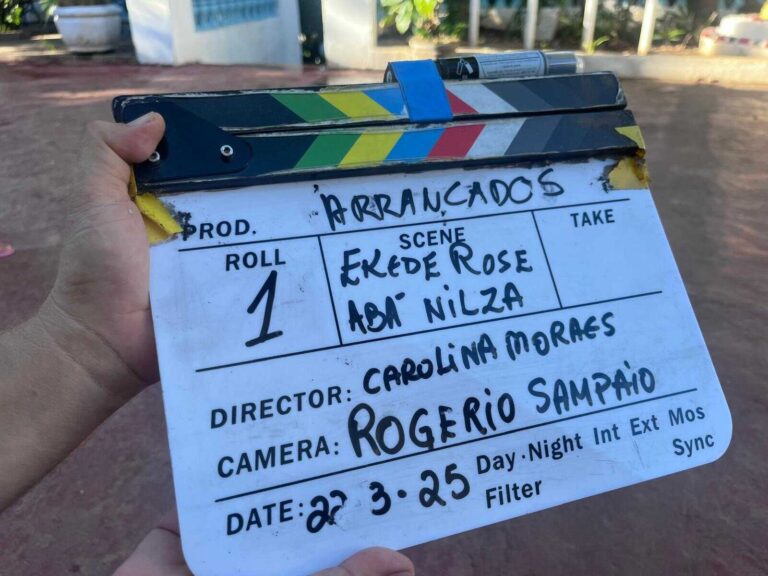
Director of Photography: Rogério Sampaio
Art Director: Yata Andersen
Executive Producer: Candida Luz Liberato
Production Coordinator: Carla Copello
Controller: Renato ScopVam
Created and Written by: Carolina Moraes-Liu
Directed by: Carolina Moraes-Liu
Director of Photography: Rogério Sampaio
Art Director: Yata Andersen
Executive Producer: Candida Luz Liberato
Production Coordinator: Carla Copello
Controller: Renato ScopVam
More About the Miniseries “Uprooted: Roots of Salvador”
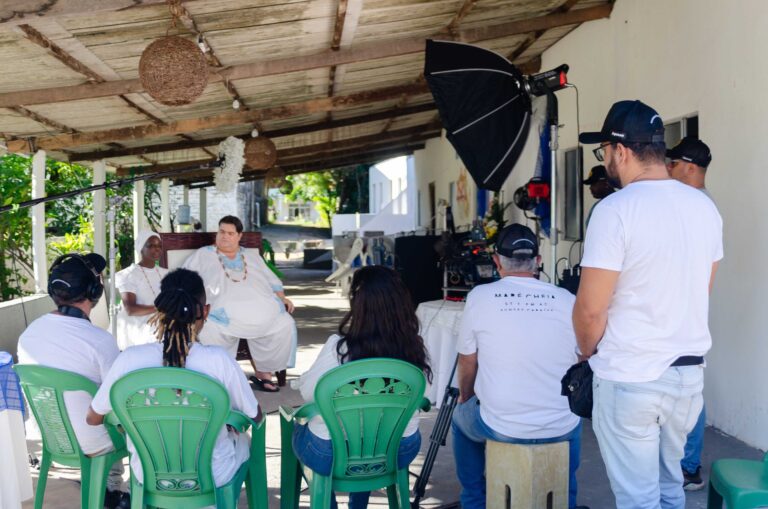
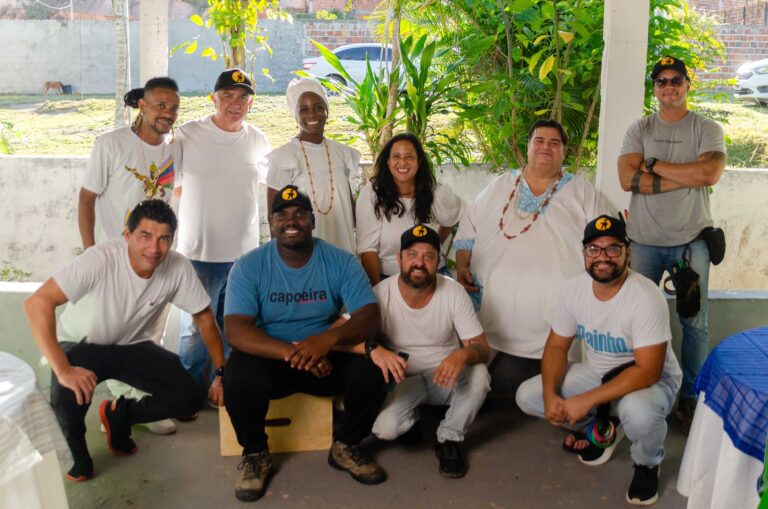
Uprooted travels through communities in Salvador, Abrantes, and Camaçari to show the struggle for land and land rights as a fight for life, memory, and continuity. Across terreiros, quilombos, and Indigenous territories, the botanical knowledge of traditional communities emerges as a foundation of healing, protection, and identity, passed on through the body, ritual, and everyday practice. Women in leadership positions ialorixás, chiefs, majés, and ekedes sustain networks of care and resistance while facing invasions, environmental racism, enclosures, and violence that tries to push the sacred away from its own ground. From Parque São Bartolomeu, a sacred territory for traditional communities, to Feira de São Joaquim, where knowledge circulates hand to hand among stalls and roots, the series weaves together spirituality, botanical knowledge, and justice to assert a simple truth: territory is not a resource, it is belonging. In one of the episodes, the journey also crosses Brasília, following an Indigenous community fighting for its territory and listening to representatives of official institutions, to show how this dispute is decided both on the ground and on paper.
Uprooted travels through communities in Salvador, Abrantes, and Camaçari to show the struggle for land and land rights as a fight for life, memory, and continuity. Across terreiros, quilombos, and Indigenous territories, the botanical knowledge of traditional communities emerges as a foundation of healing, protection, and identity, passed on through the body, ritual, and everyday practice. Women in leadership positions ialorixás, chiefs, majés, and ekedes sustain networks of care and resistance while facing invasions, environmental racism, enclosures, and violence that tries to push the sacred away from its own ground. From Parque São Bartolomeu, a sacred territory for traditional communities, to Feira de São Joaquim, where knowledge circulates hand to hand among stalls and roots, the series weaves together spirituality, botanical knowledge, and justice to assert a simple truth: territory is not a resource, it is belonging. In one of the episodes, the journey also crosses Brasília, following an Indigenous community fighting for its territory and listening to representatives of official institutions, to show how this dispute is decided both on the ground and on paper.