When the forest becomes a temple, defending nature means defending the sacred.
In Parque São Bartolomeu, axé priests walk through the forest and waterfalls as sacred territory, sustaining healing and ancestral continuity through sacred leaves, while facing damaged springs, polluted water, and environmental racism that pushes their faith away from its own ground.
Permeado entre indígenas e afrodescendentes, o conhecimento é oral, passado do curandeiro para aprendiz, de geração em geração, com poucos registros escritos produzidos pela própria comunidade.
Muitas das receitas para remédios naturais só são conhecidas por quem é iniciado em práticas de cura e em seus significados sagrados, num contato íntimo com o meio ambiente.
A preservação dos rituais da comunidade é essencial para manter a identidade e garantir a manutenção e preservação das tradições culturais brasileiras
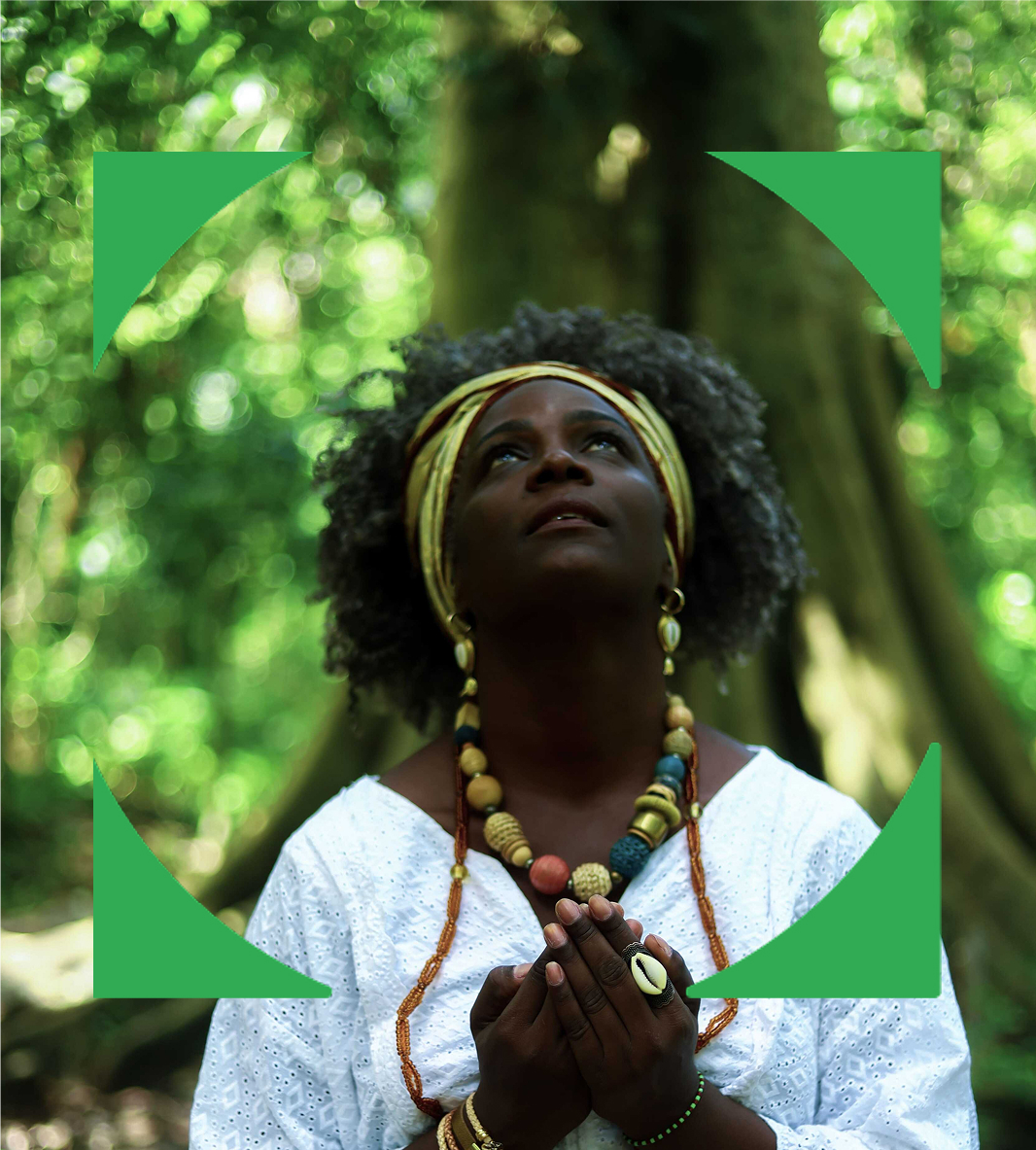
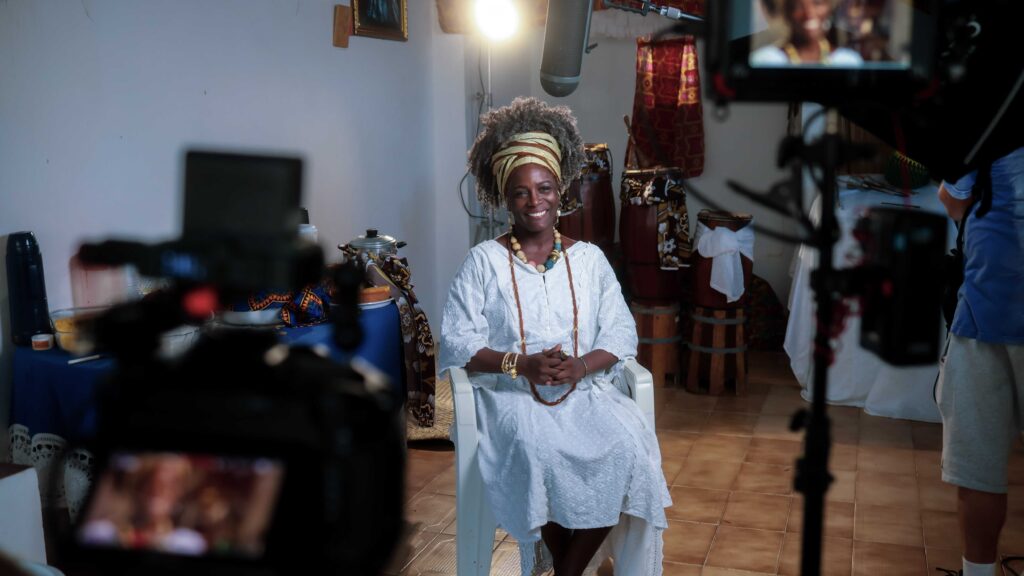
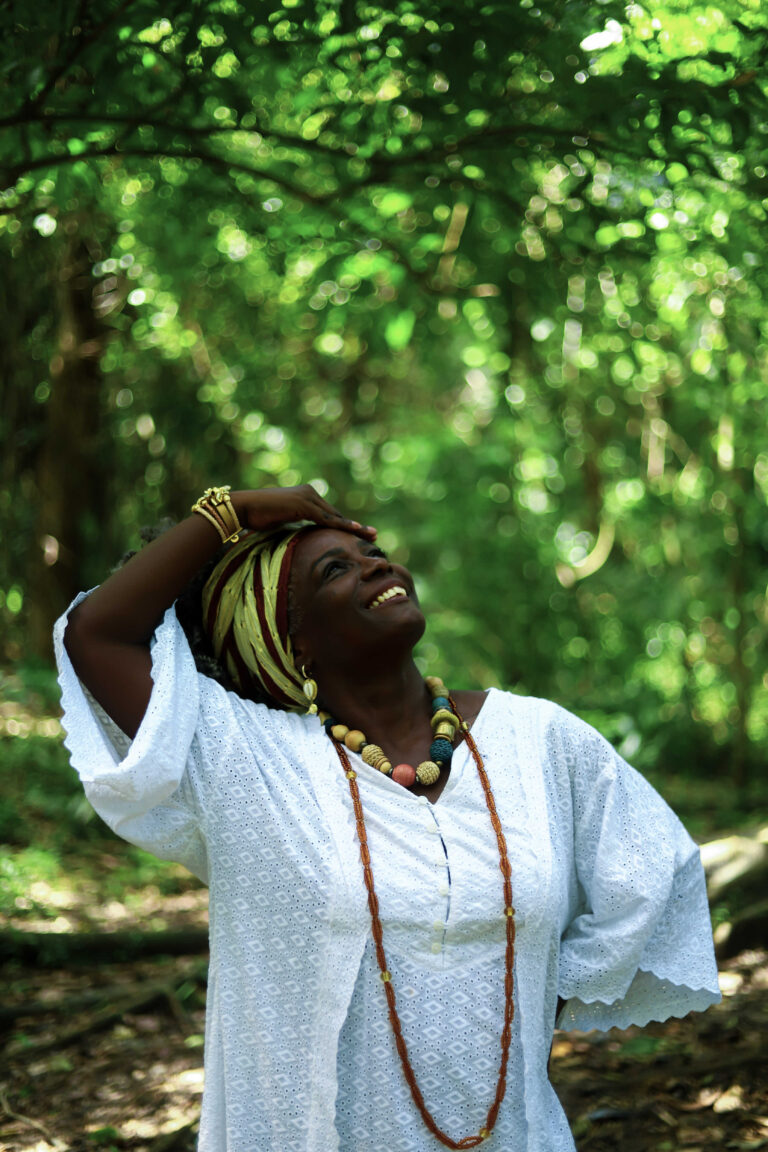
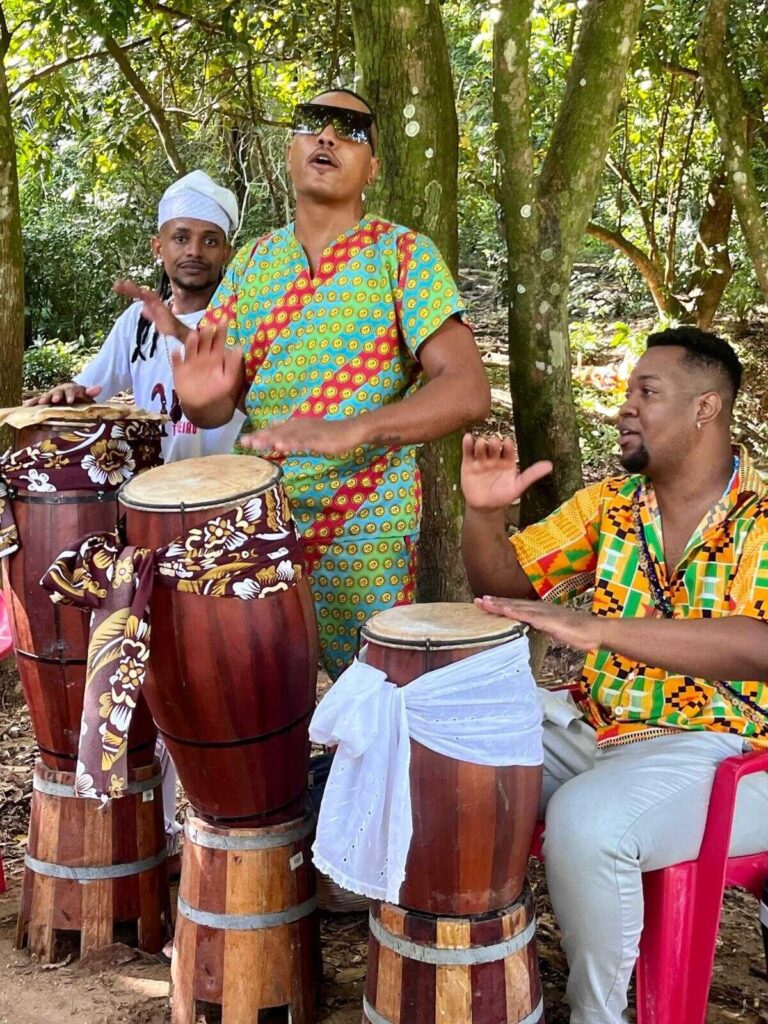
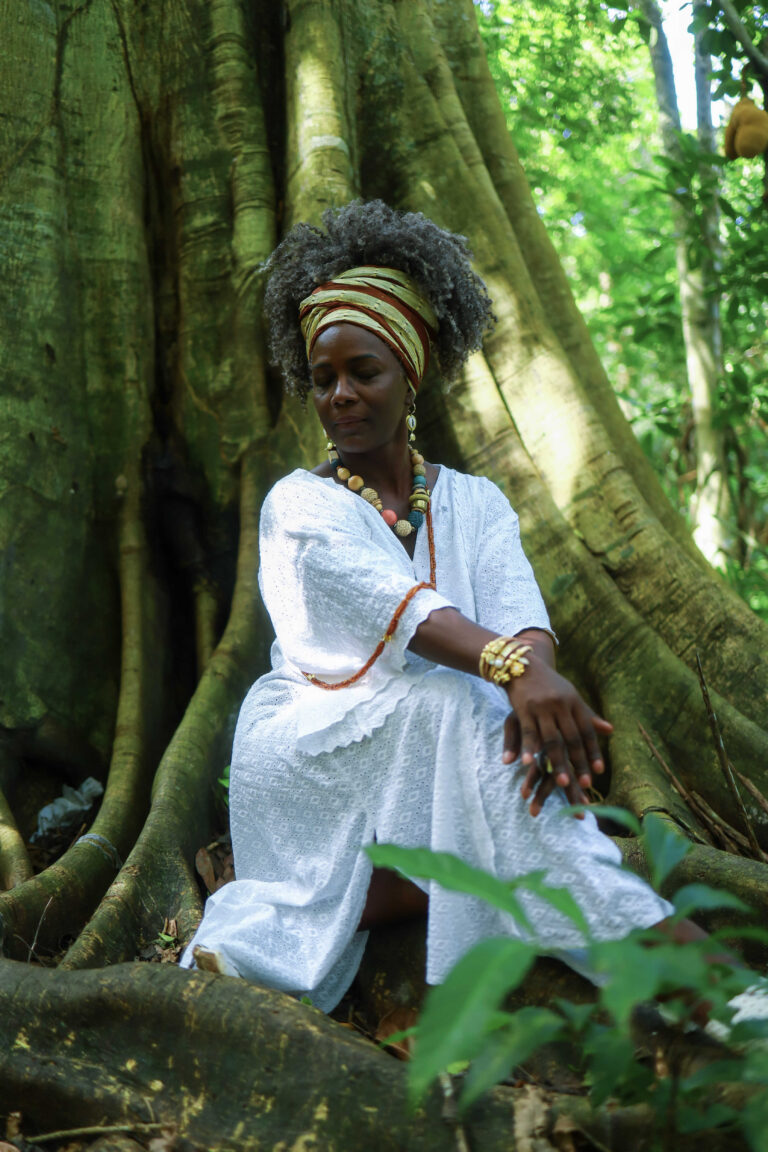
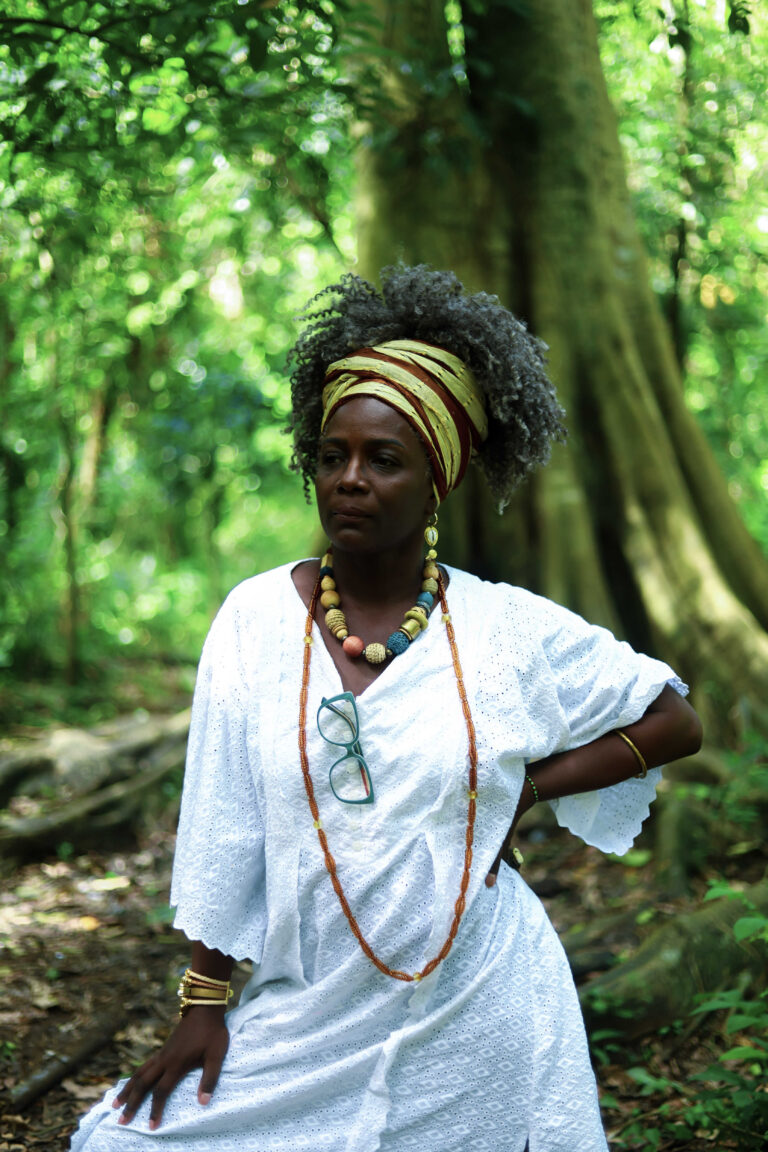
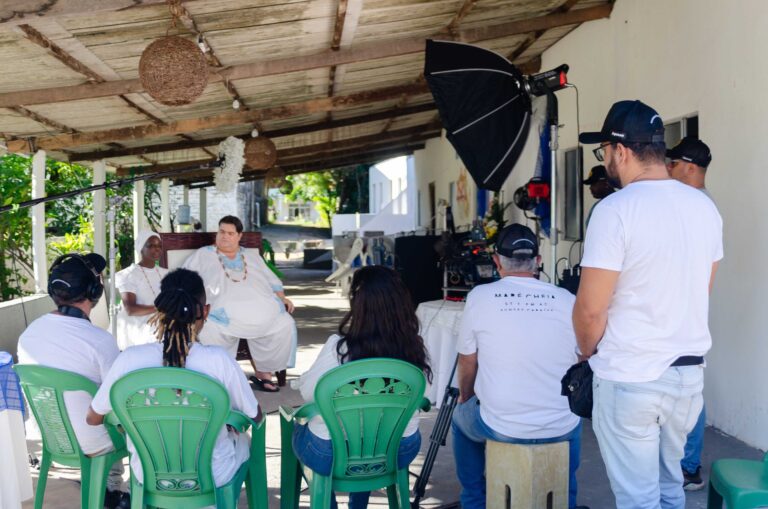
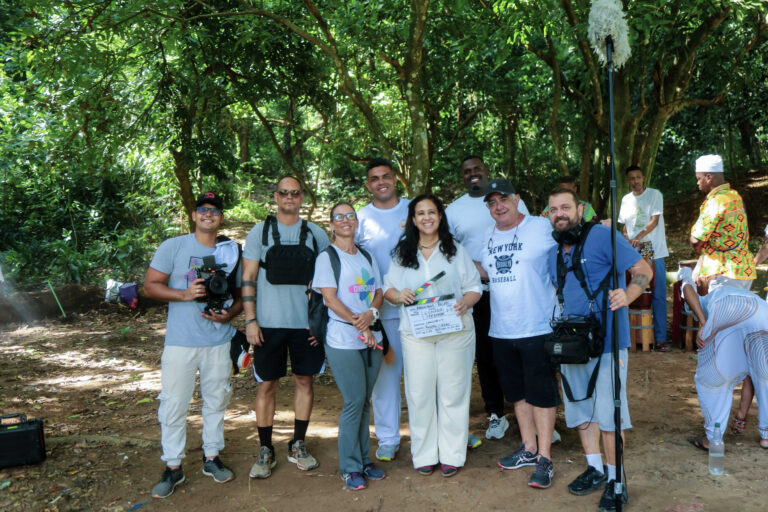
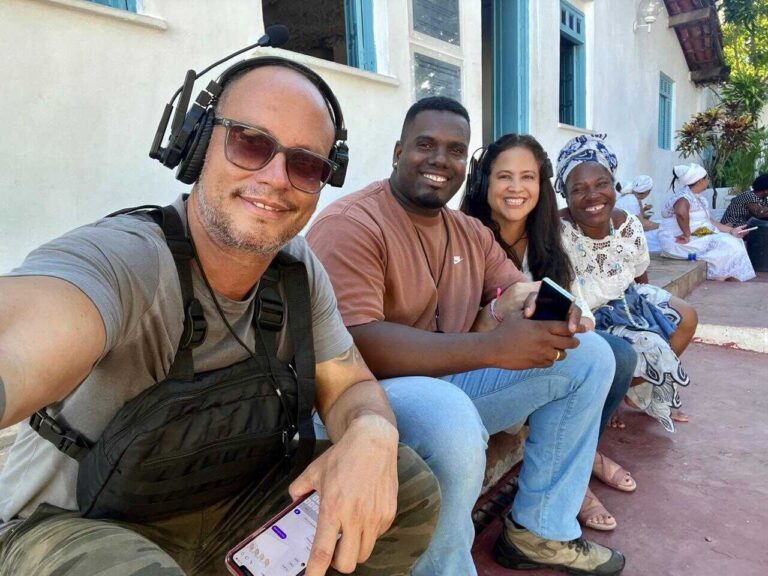
In Salvador, Parque São Bartolomeu is not just the city’s “green lung”. For the axé community, it is sacred ground, where river, waterfall, and leaves sustain healing, memory, and ancestral continuity. Ialorixá Sueli Conceição enters the forest as one enters the sacred: asking permission, observing, naming, and explaining what each plant carries and why, without leaves, there is no worship. In the park, ogan Alan and other religious leaders walk among the trees, telling stories of what this place once was. They recall full waterfalls, pilgrimages, ritual baths, and leaves that were easy to find, while also pointing to what has changed: water that no longer runs as before, trash, sewage, wounded springs, and the growing difficulty of keeping alive what has always sustained axé. The camera also follows Gilmara Santos, Mãe Gilmaria, as she prepares sacred leaves and worships Cabocla Iracema, making it clear that ritual is not just a “beautiful tradition”. It is a rule of care, relationship, and responsibility toward the territory. Yet what has always healed is also getting sick. Degraded springs, polluted water, trash, and sewage now occupy places that once held baths and pilgrimages. In the midst of this open wound, Mestre Careca’s words weave together culture and nature, and the episode calls the problem by its name: environmental racism, when the sacred is treated as disposable land and faith is pushed away from its own ground.
In Salvador, Parque São Bartolomeu is not just the city’s “green lung”. For the axé community, it is sacred ground, where river, waterfall, and leaves sustain healing, memory, and ancestral continuity. Ialorixá Sueli Conceição enters the forest as one enters the sacred: asking permission, observing, naming, and explaining what each plant carries and why, without leaves, there is no worship. In the park, ogan Alan and other religious leaders walk among the trees, telling stories of what this place once was. They recall full waterfalls, pilgrimages, ritual baths, and leaves that were easy to find, while also pointing to what has changed: water that no longer runs as before, trash, sewage, wounded springs, and the growing difficulty of keeping alive what has always sustained axé. The camera also follows Gilmara Santos, Mãe Gilmaria, as she prepares sacred leaves and worships Cabocla Iracema, making it clear that ritual is not just a “beautiful tradition”. It is a rule of care, relationship, and responsibility toward the territory. Yet what has always healed is also getting sick. Degraded springs, polluted water, trash, and sewage now occupy places that once held baths and pilgrimages. In the midst of this open wound, Mestre Careca’s words weave together culture and nature, and the episode calls the problem by its name: environmental racism, when the sacred is treated as disposable land and faith is pushed away from its own ground.
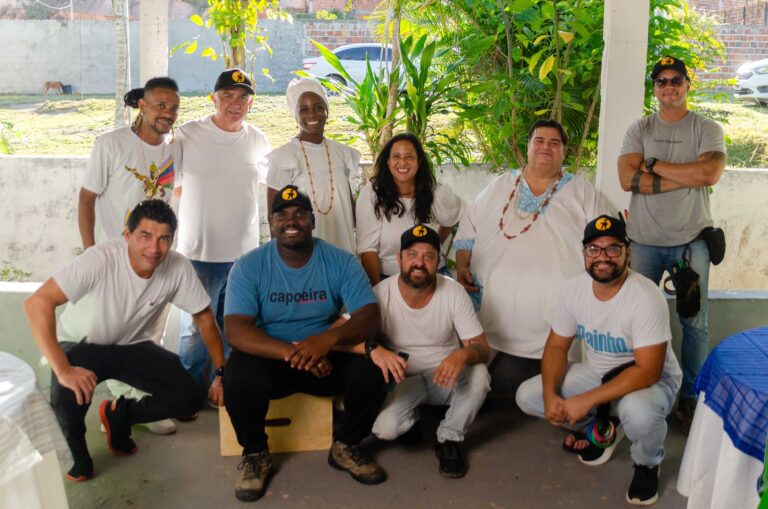
Created and Written by:Carolina Moraes-Liu
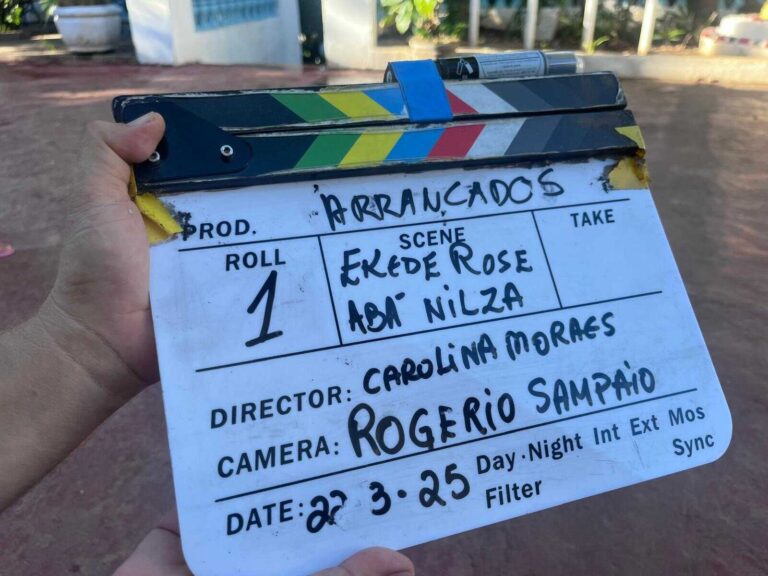
Directed by:Carolina Moraes-Liu
Director of Photography:Rogério Sampaio
Art Director:Yata Andersen
Executive Producer: Candida Luz Liberato
Production Coordinator:Carla Copello
Controller:Renato ScopVam
Created and Written by:Carolina Moraes-Liu
Directed by:Carolina Moraes-Liu
Director of Photography:Rogério Sampaio
Art Director:Yata Andersen
Executive Producer: Candida Luz Liberato
Production Coordinator:Carla Copello
Controller:Renato ScopVam
More About the Miniseries “Uprooted: Roots of Salvador”
Uprooted travels through communities in Salvador, Abrantes, and Camaçari to show the struggle for land and land rights as a fight for life, memory, and continuity. Across terreiros, quilombos, and Indigenous territories, the botanical knowledge of traditional communities emerges as a foundation of healing, protection, and identity, passed on through the body, ritual, and everyday practice. Women in leadership positions ialorixás, chiefs, majés, and ekedes sustain networks of care and resistance while facing invasions, environmental racism, enclosures, and violence that tries to push the sacred away from its own ground. From Parque São Bartolomeu, a sacred territory for traditional communities, to Feira de São Joaquim, where knowledge circulates hand to hand among stalls and roots, the series weaves together spirituality, botanical knowledge, and justice to assert a simple truth: territory is not a resource, it is belonging. In one of the episodes, the journey also crosses Brasília, following an Indigenous community fighting for its territory and listening to representatives of official institutions, to show how this dispute is decided both on the ground and on paper.
Uprooted travels through communities in Salvador, Abrantes, and Camaçari to show the struggle for land and land rights as a fight for life, memory, and continuity. Across terreiros, quilombos, and Indigenous territories, the botanical knowledge of traditional communities emerges as a foundation of healing, protection, and identity, passed on through the body, ritual, and everyday practice. Women in leadership positions ialorixás, chiefs, majés, and ekedes sustain networks of care and resistance while facing invasions, environmental racism, enclosures, and violence that tries to push the sacred away from its own ground. From Parque São Bartolomeu, a sacred territory for traditional communities, to Feira de São Joaquim, where knowledge circulates hand to hand among stalls and roots, the series weaves together spirituality, botanical knowledge, and justice to assert a simple truth: territory is not a resource, it is belonging. In one of the episodes, the journey also crosses Brasília, following an Indigenous community fighting for its territory and listening to representatives of official institutions, to show how this dispute is decided both on the ground and on paper.